
Let’s have a little language moment – gray or grey cataract? It’s supposedly the same color, but in
this case, it’s not about the color. Or maybe it’s not even about the proper Slovak language? Whether
you say “grey” or “gray” (the colloquial term), it’s still a diagnosis.
Let’s clear up the terms. If we want to be precise, accurate, and grammatically correct, we use the
official name of the diagnosis: gray cataract. Let’s break this phrase down.
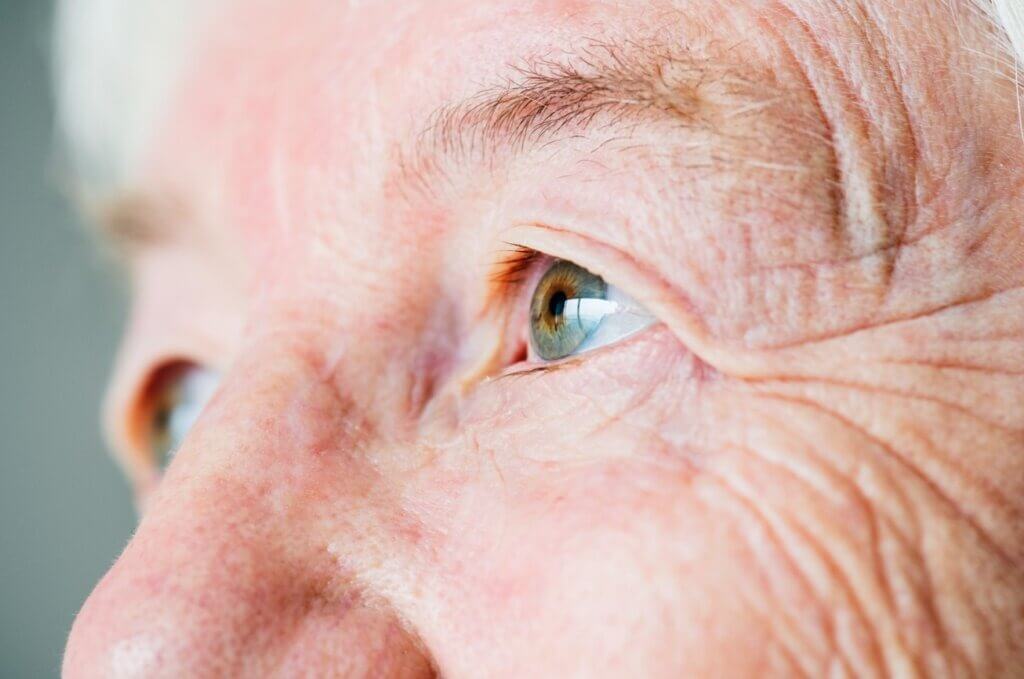
It is a condition typical for senior age, when the human eye’s natural lens loses its clarity and
transparency and becomes clouded. A person with a gray cataract sees blurred, as if through a veil of
fog. This painless condition usually develops after the age of 60, though occasionally it can appear
earlier.
How to recognize it?
A patient suffering from gray cataract perceives colors less vividly and complains of blurry or foggy
vision. Typical symptoms of cataract can also include sudden changes in prescription or discomfort
when driving at night or in dim light.
Can gray cataract be treated?
The answer is clear: it cannot. Neither vitamins nor a healthy lifestyle will affect the condition of the
human lens enough to prevent gray cataract. The only solution for this diagnosis, medically called
cataract, is surgery. Cataract surgery is the most common operation performed on the human body.
During the procedure, the surgeon replaces the clouded natural lens with an artificial intraocular
lens. It is a quick procedure lasting about 10 minutes. The operated eye is numbed with anesthetic
drops, so the patient does not feel pain.
After surgery, without glasses
Did you know that cataract surgery can also free the patient from wearing glasses? There are many
types of intraocular lenses available on the market, and their implantation into the human eye
ensures that the patient may no longer need glasses, whether for reading or distance. The surgeon
will carefully advise on the choice of lens during an individual consultation at the preoperative
examination. Based on the patient’s health status and preoperative test results, they can choose
among monofocal, toric, multifocal, or extended depth-of-focus lenses, depending on which vision
correction is desired.
Gray cataract is a common and widespread condition that naturally comes with age, but modern
ophthalmology offers an effective and painless surgical solution. Don’t ignore its symptoms and
consult with our experts, because your eyesight deserves the best care.