
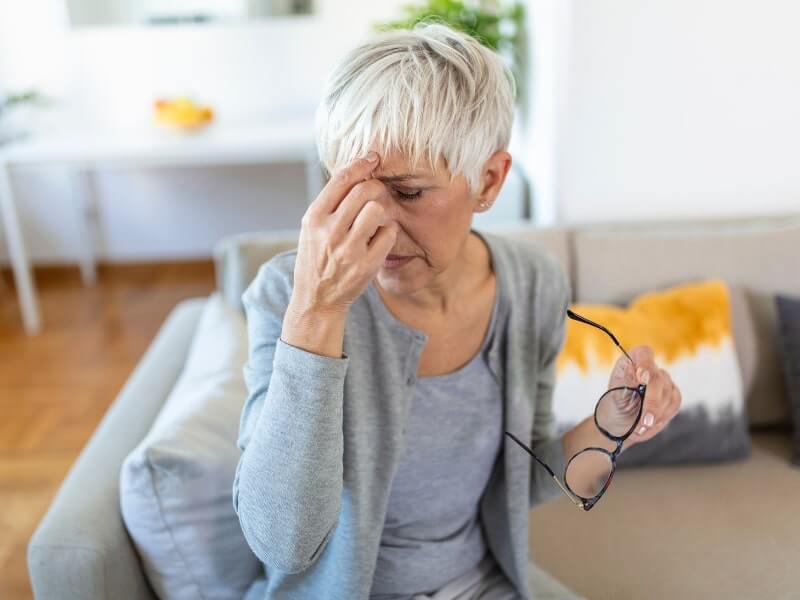
High eye pressure, also known as ocular hypertension, is a condition where the pressure of the fluid inside the eye is higher than normal. This can lead to damage of the optic nerve and the development of various conditions collectively known as glaucoma. The normal range for intraocular pressure is between 10 and 21 mmHg. Values above this threshold deserve medical attention, even if the patient does not experience any symptoms.
How does it work in the eye?
Inside the eye, a fluid called aqueous humor is produced behind the iris. It circulates and drains back into the bloodstream through a drainage system. When the balance between fluid production and drainage is disrupted, the intraocular pressure increases. The danger lies in the damage it can cause to the nerve fibers, the optic nerve itself, and the retinal ganglion cells. There is also a condition called normal-tension glaucoma, where the pressure remains within the normal range but the optic nerve still suffers damage. This condition can only be detected through specialized testing such as OCT (optical coherence tomography).
Genetics also play an important role in the development of glaucoma, with a hereditary predisposition significantly increasing the risk. Age is another factor, as intraocular pressure tends to increase over time. High blood pressure, cardiovascular diseases, and lifestyle choices such as smoking, excessive alcohol consumption, chronic stress, and physical inactivity can also contribute. Long-term use of certain corticosteroids may raise the risk of developing ocular hypertension as well.
Source: freepik.com
Symptoms and Diagnosis
High eye pressure often has no symptoms, which increases the risk of it going undetected until later stages. When symptoms do appear, they may include worsening peripheral vision, eye pain caused by a sudden spike in pressure, blurred vision, and seeing halos around light sources.
How to reduce eye pressure?
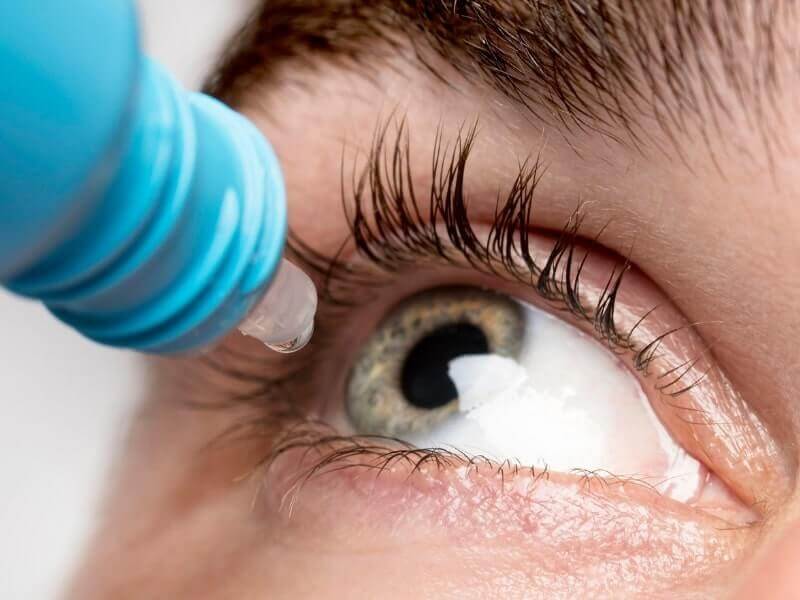
Intraocular pressure can be reduced pharmacologically with eye drops. These drops work either by reducing the production of intraocular fluid or by improving its outflow, or in some cases, they do both. The doctor prescribes treatment based on the level of pressure and the individual needs of the patient.
Diagnosis involves several steps, including tonometry to measure intraocular pressure, examination of the optic nerve, OCT imaging, gonioscopy, and visual field testing (perimetry).
Treatment Options
The aim of treatment is to reduce intraocular pressure and prevent damage to the optic nerve. The first line of treatment usually involves eye drops. In some cases, laser treatment is preferred, especially if the patient would otherwise need to use several types of drops. A painless laser procedure known as YAG laser iridotomy is performed under local anesthesia and helps improve fluid drainage. If neither drops nor laser treatment prove effective, surgical intervention may be considered. This procedure involves creating a new drainage channel for the intraocular fluid. There are also minimally invasive surgical options available with shorter recovery times.
Source: freepik.com
In addition to conventional treatments, some natural substances and supplements may support eye health. Ginkgo biloba improves blood flow to the optic nerve, turmeric is known for its anti-inflammatory properties, and juniper, a plant common in our region, also has anti-inflammatory effects. Supporting eye health through diet can be beneficial as well. This includes consuming foods rich in antioxidants, vitamins A, C, and E, omega-3 fatty acids, lutein, and zeaxanthin, all of which are known to benefit vision and overall eye function.
Prevention and Our Recommendations
To prevent problems related to eye pressure, it is important to attend regular eye check-ups, especially after the age of forty, ideally once every two years, or more frequently if you have a family history of glaucoma. Maintaining a healthy lifestyle is crucial—avoid smoking, limit alcohol intake, and try to manage stress. Incorporating regular physical activity into your daily routine can also help reduce eye pressure. Proper hydration is equally important. However, avoid drinking large amounts of fluid in one sitting, as it may cause sudden fluctuations in intraocular pressure.