
EYE DISEASES
Cataract
Cataract, medically known as cataracta, is a very common diagnosis in the elderly, typically affecting those over the age of 65. It is a natural, age-related condition where the eye’s natural lens becomes cloudy, leading to a gradual loss of visual sharpness. The world appears as though seen through a veil of mist — blurry and hazy. This is a very normal and widespread eye condition associated with aging.
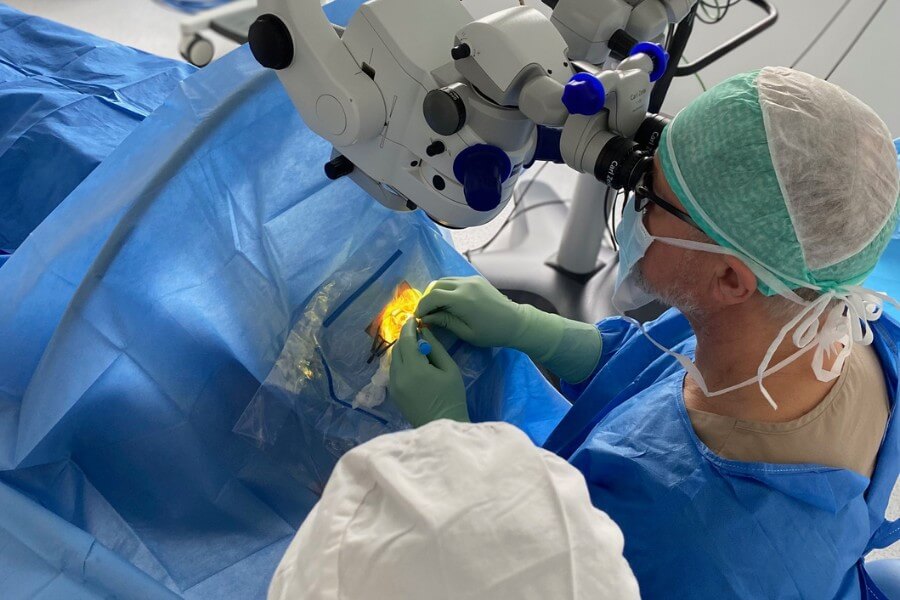

Symptoms of Cataract
If a person starts seeing blurry or unclear images, with faded colors and a sensation of looking through smoke or fog, it's important not to postpone an eye examination. These symptoms are often accompanied by discomfort when driving, especially at dusk or at night. A sudden change in eyeglass prescription can also be a sign of developing cataract.
Causes of Cataract
The human lens is naturally clear and flexible. Over time, due to aging, it begins to lose its elasticity and becomes harder and cloudier. This is a natural aging process.
By the age of 75, about 70% of people have some degree of cataract. Depending on genetics and how quickly someone ages, cataracts may develop gradually over years or rapidly within months.
Other contributing factors:
– Eye diseases: chronic intraocular inflammation, glaucoma, tumors, medication side effects, radiation exposure, genetically inherited eye conditions.
– Systemic diseases: such as diabetes, metabolic disorders, and deficiencies in vitamins like C and E.
– Injuries and chemical damage: cataract can develop immediately after an injury or even years later. Chemical burns can also lead to cataract.
– Radiation: the lens is sensitive to all types of radiation, which can cause chemical changes leading to lens clouding.
– Certain medications: such as corticosteroids, psychotropic drugs, glaucoma eye drops, medications for arrhythmias, or rheumatoid diseases.
Cataract Treatment
Cataract Surgery
Cataract surgery is the most commonly performed surgery on the human body. It is the only definitive solution to remove a cataract. Prior to the procedure, a detailed pre-operative eye examination
is done along with a consultation to choose the appropriate intraocular lens (IOL).
In our clinic, cataract surgery is fully covered by all health insurance providers, meaning patients do not pay anything out-of-pocket for the standard procedure.
• The basic monofocal lens is included at no extra cost.
• If the patient chooses a premium lens (such as toric, EDOF, or multifocal lenses — which reduce or eliminate the need for glasses), they will need to cover the price difference not reimbursed by insurance.
The surgery involves replacing the cloudy natural lens with a clear artificial lens. In many cases, this not only restores vision but also corrects refractive errors (such as nearsightedness, farsightedness, or astigmatism).
We recommend staged cataract surgeries, typically with a one-week gap between each eye. Even if cataract is diagnosed in only one eye, many patients choose to have the other lens replaced as well to eliminate the need for glasses.
• The procedure is painless, performed under local anesthesia using anesthetic eye drops.
• It takes about 10 minutes.
• Our experienced micro-surgeons perform the surgery manually, without the use of a femtosecond laser.
While laser-assisted cataract surgery may sound high-tech, it offers no proven benefits over manual surgery, but increases the cost and requires moving the patient between operating tables.
Manual surgery allows for a smaller and more stable incision, saves time, and reduces costs for the patient. Studies comparing manual and laser techniques show no difference in surgical outcomes.
For all these reasons — effectiveness, shorter procedure time, and financial accessibility — we prefer manual cataract surgery.
During the procedure, you can rely on our team of specialists.
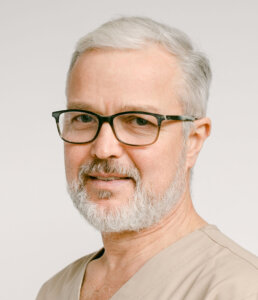
MUDr. Peter Böhm - Medical Director, Dr. Böhm Eye Center
In addition to performing cataract, retina and vitreous surgeries, he also specializes in the
comprehensive diagnosis and treatment of glaucoma.
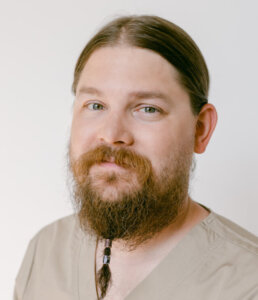
MUDr. Peter Böhm Jr. - Cataract & Retina Surgeon
He is the lead retinal surgeon at the eye center and also performs cataract surgeries and treats
complications related to cataract operations.
Better to book today
We have many satisfied clients and patients waiting.