
EYE DISEASES
Dry Eye Syndrome
A moist and healthy eye surface is essential for normal vision. To maintain it, tear quality, proper tear film composition, normal eyelid function, and regular blinking are all crucial. Any disruption in these aspects can lead to the development of dry eye syndrome.
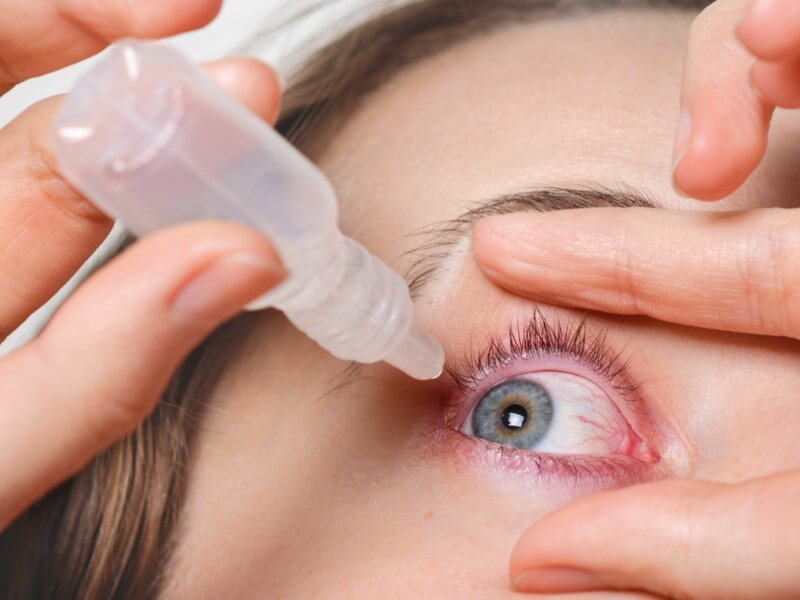

Dry eye syndrome s a chronic condition in which the eyes lack sufficient quality tears to keep the surface of the eye adequately moist and protected. The mucous membrane of the eye becomes insufficiently hydrated and begins to dry out. It is a modern-day phenomenon, affecting more than 15% of the global population. Long-term screen use, exposure to smoke, air-conditioned or overheated environments, and prolonged wearing of contact lenses all contribute to the development of dry eyes.
Tear Film
The tear film is a colorless structure composed of three main layers: lipid, aqueous (watery), and mucin (mucous). The composition of the tear film is dynamic, responding to environmental conditions to maintain the eye surface’s homeostasis.
• The mucin (mucous) ayer protects the cornea and anchors the watery layer to the corneal epithelium.
• The aqueous (middle) layer provides nutrients and hydration, flushes out impurities, acts as an antibacterial agent, and helps maintain proper pH.
• The lipid (fatty) layer prevents tear evaporation and ensures tear film stability.
Dry eye problems arise when any one of these layers is insufficient.
Risk Factors for Dry Eye
Beyond lifestyle and environmental causes, other risk factors contributing to dry eye include
• Age over 50
• Hormonal changes (e.g. postmenopause)
• Autoimmune diseases
• Thyroid disorders
• Diabetes
• Certain medications (e.g., antihistamines, antidepressants)
• Vitamin A deficiency
While primarily affecting adults, dry eye can also occur in children, although much less frequently.
Causes of Dry Eye
Dry eye syndrome is classified into two subtypes based on its cause:
1. Aqueous-deficient dry eye
This type results from decreased tear production, often due to impaired lacrimal gland function. Causes include autoimmune diseases like:
• Sjögren’s syndrome
• Rheumatoid arthritis
• Systemic lupus erythematosus
Tear production naturally decreases with aging, particularly in women after menopause due to hormonal shifts. Other causes include medications (e.g. antihistamines, antidepressants, beta-blockers, diuretics) and eye surgeries (e.g. LASIK, cataract surgery).
2. Evaporative dry eye
This occurs due to dysfunction of the lipid layer, often caused by Meibomian gland dysfunction (blockage or inflammation). Other contributing factors:
• Dry environments (air conditioning, heating)
• Wind exposure
• Environmental pollution
• Prolonged screen time
• Use of contact lenses
• Eye makeup (eyeliners, mascara)
Symptoms of Dry Eye
• Burning, irritation, stinging, or itching sensations
• Eyes sticking together in the morning
• Gritty or foreign body sensation
• Eye redness
• Blurred vision, especially when focusing (e.g. computer work)
• Excessive tearing (paradoxically, a reflex to dryness)
• Advanced cases may involve pain, light sensitivity, fluctuating vision that improves with blinking
• Contact lens discomfort or pain
• Risk of conjunctivitis or corneal inflammation
Treatment of Dry Eye Syndrome
The treatment aims to:
• Restore and stabilize the tear film
• Reduce surface inflammation
• Improve quality of life
Patient education and awareness of long-term management are key.
Treatment Options:
• Artificial tears or eye gels: for surface hydration and symptom relief
• Anti-inflammatory drops: when inflammation is present
• Lifestyle changes:
• Take regular breaks during computer work
• Blink consciously and frequently
• Use humidifiers
• Apply warm compresses for acute symptoms
What Happens if Dry Eye Is Left Untreated?
Untreated dry eye can lead to chronic inflammation or irritation, damage the corneal surface (causing irregularities or erosions), and potentially result in permanent vision impairment. It also raises the risk of eye infections and significantly reduces quality of life due to ongoing discomfort.
Tips and Prevention for Dry Eye
1. Follow the 20-20-20 rule: Every 20 minutes, look at something 20 feet away for 20 seconds.
2. Blink consciously, especially when reading or using screens.
3. Use a humidifier in dry indoor environments.
4. Protect your eyes from wind and dry air (e.g., with glasses).
5. Stay hydrated by drinking enough water—hydration helps the eyes too.
During the procedure, you can rely on our team of specialists.
MUDr. Peter Böhm - Medical Director, Dr. Böhm Eye Center
In addition to performing cataract, retina and vitreous surgeries, he also specializes in the
comprehensive diagnosis and treatment of glaucoma.

MUDr. Peter Böhm Jr. - Cataract & Retina Surgeon
He is the lead retinal surgeon at the eye center and also performs cataract surgeries and treats
complications related to cataract operations.

Better to book today
We have many satisfied clients and patients waiting.