
SURGERY
Eyelid and Lash Surgery – Blepharoplasty
The first visible signs of “sad or tired” eyes due to sagging skin on the upper eyelids most often appear in patients over the age of 50.
During surgery, the surgeon removes the excess overhanging skin of the upper and, if necessary, lower eyelids. The skin in these areas is delicate and particularly stressed. It wrinkles and sags over the edge of the eyelid, which can limit the visual field. Excess skin can negatively affect vision and cause functional problems such as narrowing of the upper half of the visual field.
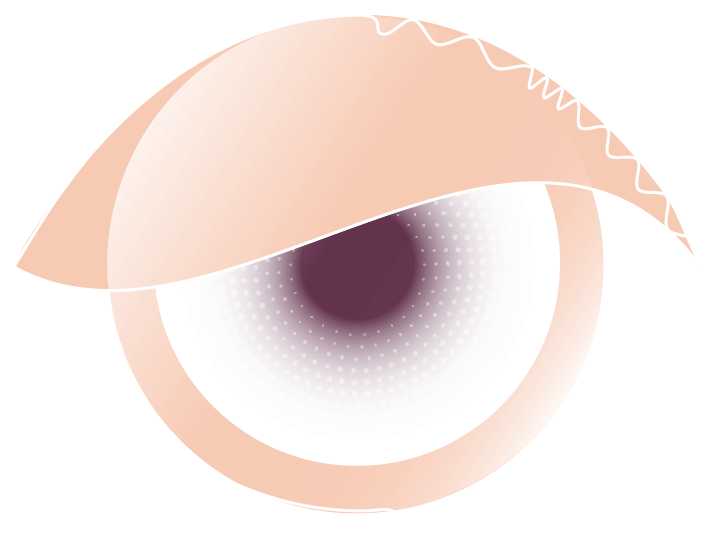

Symptoms
A person with sagging eyelids may appear tired at first glance. However, the tired appearance is not the main problem. The overhanging eyelid skin can reduce peripheral vision and cause fatigue or disrupted tear drainage.
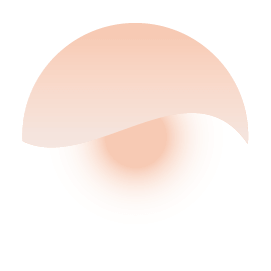
Overhanging eyelid skin

Impaired peripheral vision
Sad and tired facial expression
Causes
The most common causes of drooping eyelids are genetics and aging. Problems can appear even at a younger age. The elasticity of the skin and subcutaneous tissue naturally decreases with age. Tension loosens and structures sag due to gravity. Other causes of drooping eyelids include unhealthy lifestyle, obesity, kidney disease, or other systemic conditions.
Surgeries
Surgical Blepharoplasty
To correct sagging eyelids, we use two different methods.
In the early stages, we use plasma technology – Jett Plasma Lift Medical. This treatment is both therapeutic and preventive and can slow the process of eyelid sagging.
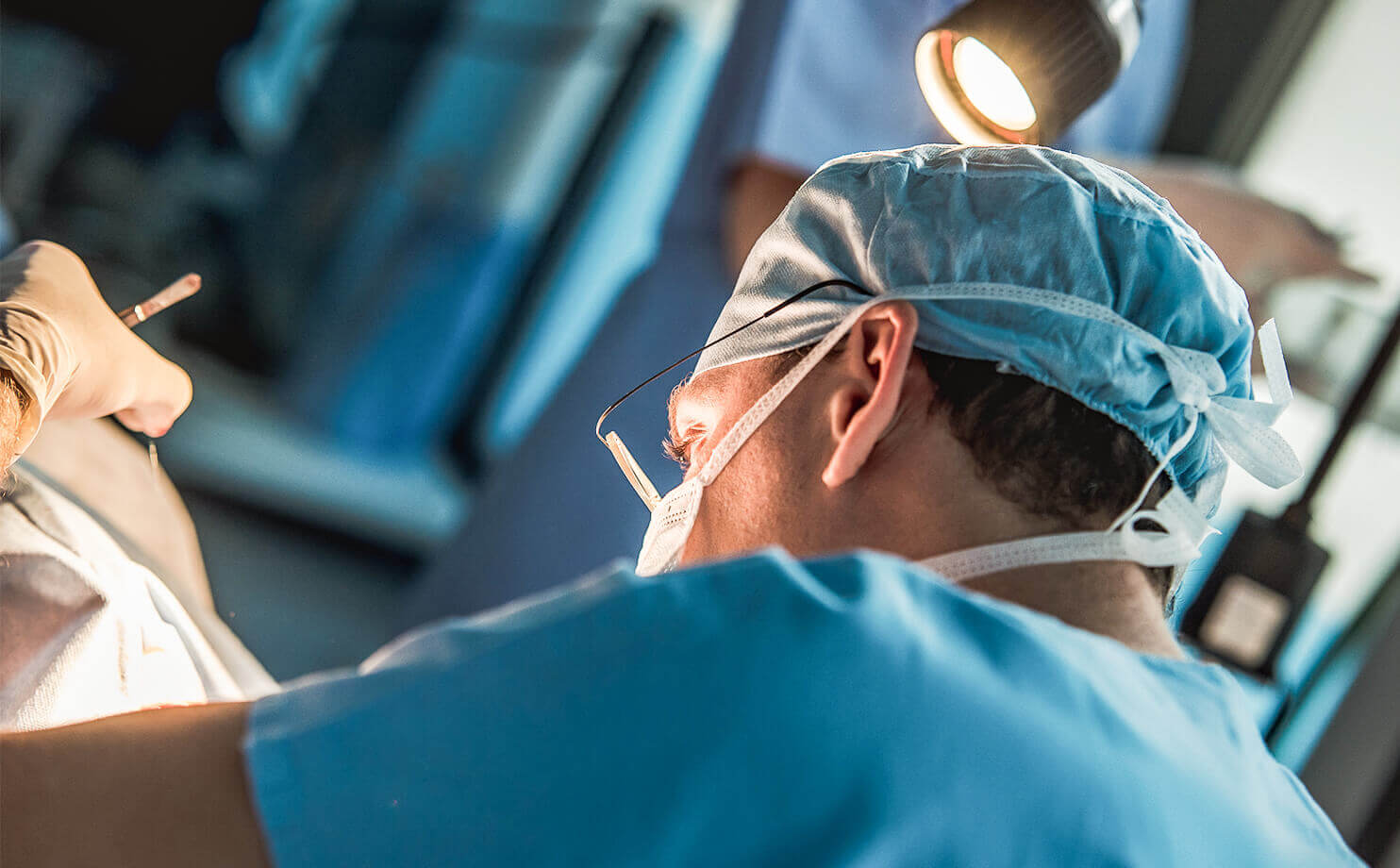
In advanced stages, we proceed with surgical intervention, known as blepharoplasty. During the operation, the surgeon removes sagging skin and fatty tissue from the eyelids. Scars are nothing to worry about—they remain hidden in natural skin folds and are invisible. The result is a refreshed appearance and improved vision.
After the operation, you go home. The doctor will recommend epithelial healing gels, commonly available in pharmacies, to aid wound healing.
Immediately after the procedure, an antibiotic ointment is applied to the treated area. The following morning, you remove the dressing. One week later, during your check-up, the stitches are removed.
Swelling and bruising typically last about 7–14 days. Full recovery takes around 4 weeks, during which the skin tightens and the swelling subsides. The scar flattens to a smooth surface. The final result is stabilized after 4–8 weeks, by which time the scar almost completely fades.
Jett Plasma non-surgical Method
For the early stages of sagging upper and lower eyelids, we use a revolutionary device employing plasma technology called Jett Plasma. This method is suitable in the initial phases of skin wrinkling around the eyes. Using tiny electrical discharges of direct current, ionized air is created, transforming
into plasma.
With this fourth state of matter, heat is generated, which warms and stimulates the skin and subcutaneous tissue. The result is tightened and more elastic skin.
Jett Plasma treatment is also preventive, helping to slow down the process of blepharochalasis (eyelid loosening).
During the procedure, you can rely on our team of specialists.
MUDr. Marián Halás PhD.

Better to book today
We have many satisfied clients and patients waiting. All health insurance companies cover both examinations and surgeries at our clinic.
FREQUENTLY ASKED QUESTIONS
When can I go out in the sun after surgery?
You should avoid exposing your eyes to direct sunlight for two months, as this could cause the scar to darken.
When can I start exercising after surgery?
You can begin exercising no sooner than 14 days after the surgery, unless your doctor advises otherwise.