
EYE DISEASES
Farsightedness (Hypermetropia)
Farsightedness, or hypermetropia, is a very common refractive error of the eye that affects people of all age groups. Let’s look at how it manifests, what causes it, and how it can be corrected or treated.

What is farsightedness?
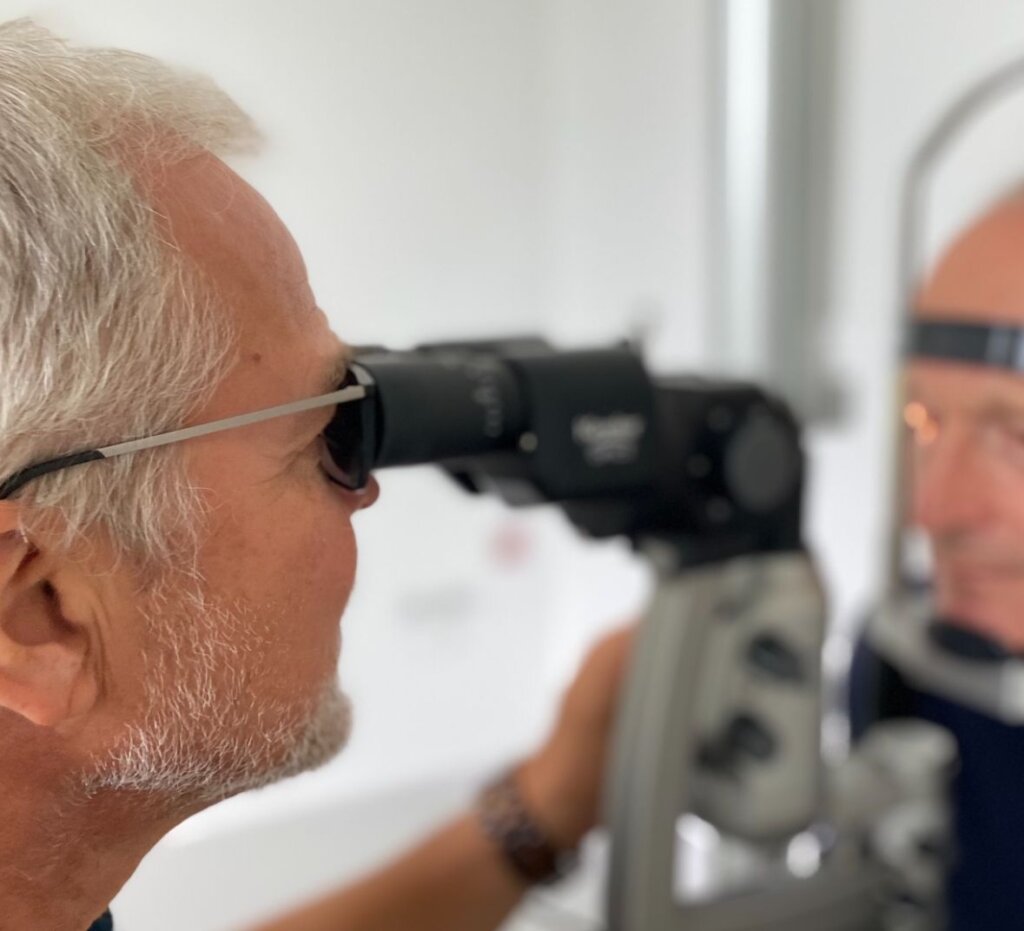
Farsightedness, medically known as hypermetropia, is a congenital refractive error in which the human eye is shorter than normal, causing light to focus behind the retina, resulting in various visual difficulties depending on the patient’s age. Most children are born with some degree of positive diopters. The unit used to measure the eye’s refractive power is called a diopter. In the case of farsightedness, the value is positive, marked with a plus sign.
Farsightedness is categorized by diopter strength into:
• Mild (+0.5 to +3.0 diopters)
• Moderate (+4.0 to +8.0 diopters)
• High (+8.0 diopters and above)
How does it manifest? What are the symptoms?
Symptoms vary depending on age and the degree of hypermetropia. The most common include:
• Blurred vision of near or even distant objects,
• Eye strain or fatigue when reading or doing close-up tasks,
• Tension and eye pain, frequent squinting,
• Headaches after prolonged focus on text or screens,
• Poor focusing ability, especially in low light.
In children, hypermetropia may show up as learning difficulties, reluctance to read, and trouble concentrating due to the above symptoms and visual discomfort.
Causes of farsightedness
Farsightedness may be caused by various factors, the most common being:
1. Genetics – Hypermetropia tends to run in families. If one or both parents are farsighted, the risk is higher for their children.
2. Anatomical structure of the eye – An axial defect where the eyeball is too short or the cornea too flat, leading to incorrect light refraction.
3. Age – As people age, the eye’s lens loses flexibility, leading to a condition called presbyopia (age-related farsightedness).
4. Eye diseases – Conditions such as diabetic retinopathy, eye injuries, or inflammations can affect the eye’s refractive ability.
5. Improper habits – A lack of natural light and excessive screen time may not directly cause farsightedness but can worsen visual health.
Farsightedness in children
Many children are born with some degree of hypermetropia, which often corrects itself naturally as the eye grows. However, if left untreated, it can lead to complications—so regular visits to an eye doctor are crucial.
How to recognize farsightedness in children?
– Frequent headaches,
– Noticeable fatigue at the end of the day,
– One eye turning inward (strabismus),
– Learning and concentration difficulties in school.
If untreated, hypermetropia in children can lead to strabismus or amblyopia (lazy eye), where one eye develops weaker and the stronger eye dominates.

Source: freepik.com
Eye exercises for hypermetropia
Visual function training – Orthoptics and pleoptics are specialized exercises aimed at improving visual
performance.
Treatment for farsightedness
Hypermetropia can be corrected through various conservative and readily available methods:
– Eyeglasses – The simplest and most common form of correction using positive (+) diopters. At our Eye Center in our optical department we offer a wide selection of frames, high-quality lenses, as well as expert consultations and measurements.
– Contact lenses – Provide better peripheral vision but require strict hygiene and care.
– Night lenses – Orthokeratology lenses worn overnight that temporarily reshape the cornea, allowing clear vision during the day.
– Healthy diet – Significantly supports good functional vision, particularly vitamins A, C, E, and lutein which promote eye health.
Eye surgery to correct farsightedness
For those who do not want to wear glasses or contact lenses, there are surgical options to eliminate farsightedness. At Dr. Böhm’s Eye Center, we perform the PRELEX procedure, which involves the replacement of the natural intraocular lens. We recommend it mainly for patients who have lost the eye’s ability to accommodate, where the ophthalmic surgeon replaces the natural lens with an artificial one, eliminating the corresponding diopters and the need to wear glasses.
Before the surgery, an individual consultation with a doctor is very important, along with careful lens selection. It is essential to undergo thorough eye and preoperative examinations.
Farsightedness is a common refractive error that can affect everyday life across all age groups. Regular eye exams, proper correction, and a healthy lifestyle can help maintain good vision and prevent complications.
`
You can rely on our specialists during the procedure.
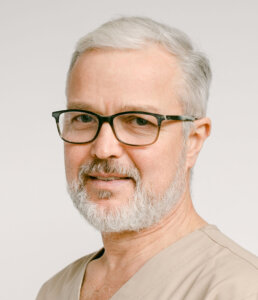
MUDr. Peter Böhm - Medical Director, Dr. Böhm Eye Center
In addition to performing cataract, retina and vitreous surgeries, he also specializes in the
comprehensive diagnosis and treatment of glaucoma.
MUDr. Peter Böhm Jr. - Cataract & Retina Surgeon
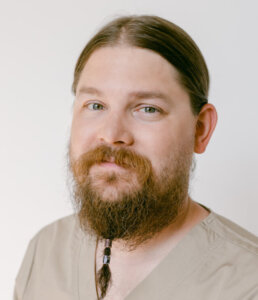
He is the lead retinal surgeon at the eye center and also performs cataract surgeries and treats
complications related to cataract operations.
Better to book today
We have many satisfied clients and patients waiting.